On industrial sites and in truck yards you sometimes hear this: "Just run some hot water through it, rinse it with detergent; we need to make the next load."
Anyone in liquid transport knows that sooner or later this way of working gets you into serious trouble. Washing a tank is nothing like spraying foam on a car and drying it off. Tanker cleaning is chemistry and food safety knowledge, plain and simple.
Especially when both food and chemical transport are involved, the smallest oversight can mean a load worth a fortune going to waste or being turned away at the factory gate.
So what is the right way to do it? Why do we draw a hard line between food and chemical washing at Dilmak Tanker? Let us explain with what we see in the field.
1. A Chemical Tank Never Enters the Food Wash Bay
One of the biggest risks in the industry is washing both industrial chemical tanks and food tankers in the same bay with the same nozzle. No matter how well you rinse, the steam in the air, microscopic particles left in the pipes or shared hoses invite cross-contamination.
At Dilmak the rule is simple:
- The Food Wash Bay Is Fully Isolated: Only tanks that carried food products such as glucose, vegetable oil or fruit juice enter this bay. No chemical detergents are used here. We use food-safe, odourless solutions that leave zero residue after rinsing, and high-temperature sterile steam.
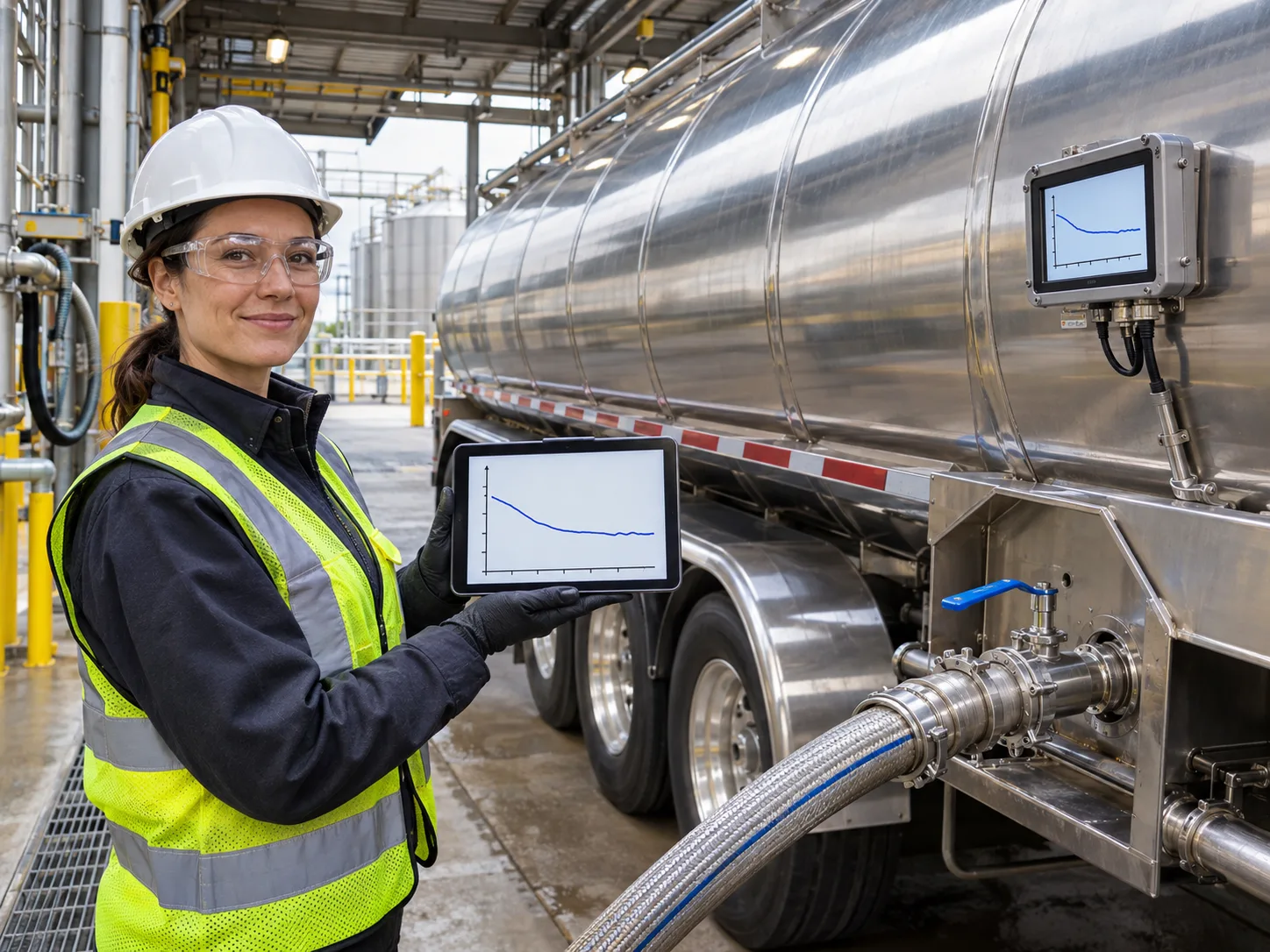
- Even the Drying Air Is Special: After washing, the tank is dried not with ordinary air but with hot, sterile air passed through micro filters. The inside of the tank is left spotless and ready for factory acceptance.
We cover the structural differences between food and chemical tank containers in our article on food grade vs chemical ISO tanks.
2. The "Previous Cargo" Rule in Chemical Washing
When washing a chemical tanker you cannot just decide to "pour in plenty of hot water". Every chemical behaves differently:
- Some chemicals solidify the moment they touch hot water and form a rock-hard layer on the tank wall.
- Some resins and polymers only come off with special solvents or alkaline cleaners.
- Some acid derivatives can react violently with water and release toxic gas.
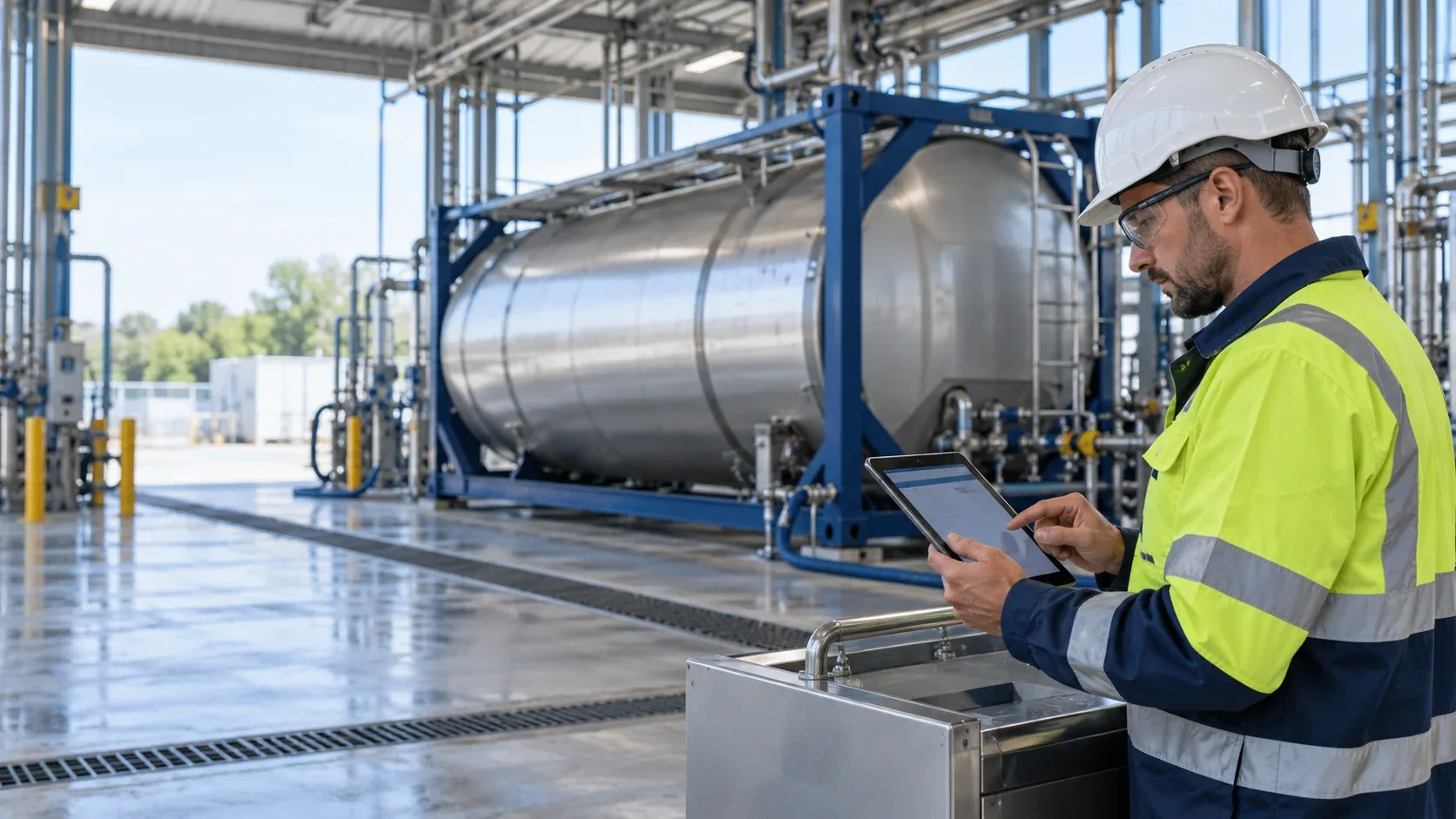
That is why, for every chemical tank arriving at Dilmak, we first review the Safety Data Sheet (MSDS/SDS) of the last product it carried. Based on its chemistry we decide upfront the water temperature, the neutralising agent and the nozzle angle. You can find what to share with your cleaning request in our guide on preparing for chemical tanker cleaning.
3. Not Just the Inside of the Tank: Valves and Seals Are the Real Trap
The most common rookie mistake in tanker cleaning is washing only the inside of the shell. When you open the manhole the tank may shine like a mirror, but the real danger is in the places you cannot see:
- Bottom Discharge Valve: Product gets trapped in the valve ball or seal seats. If the valve is not dismantled and cleaned, the old product mixes into the new load.
- Lid Gaskets: Chemicals soak into the pores of the gaskets. A worn or poorly cleaned gasket leaves odour behind.
- Air and Steam Lines: The vents on top and the steam channels must also be checked.
At Dilmak, cleaning covers not only the tank shell but also gaskets, valves, hose connections and lid mechanisms. When a gasket or valve needs replacing, our inspection and maintenance-repair team takes over.
4. "We Washed It" Is Not Enough: The ECD Is a Must
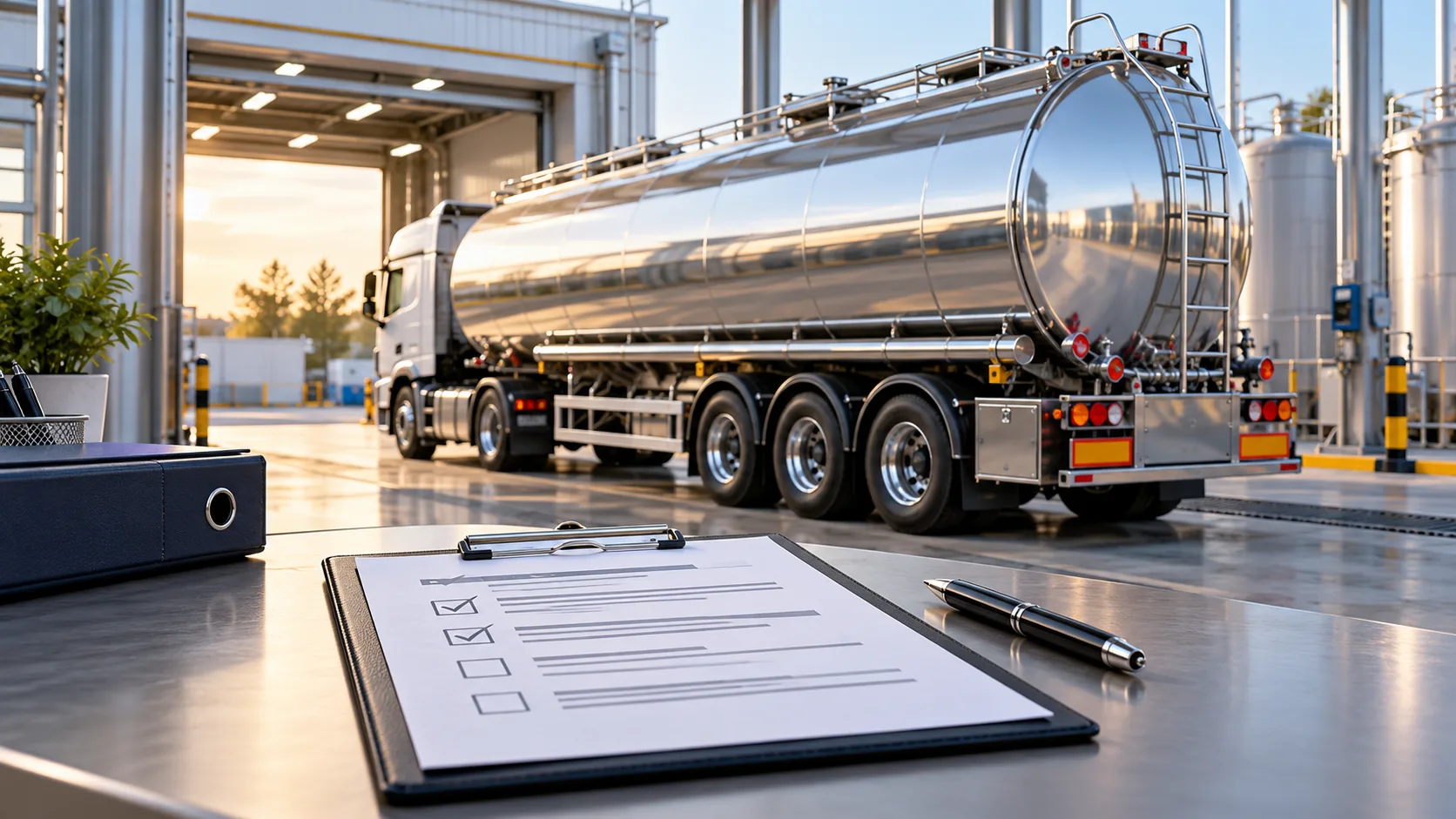
Today, when you arrive at a corporate chemical or food plant, the person at the gate looks at the vehicle and asks the first question: "Where is your cleaning document?"
Vehicles that were just rinsed with water at a backyard operation do not get through these gates. Factories now require a cleaning certificate to international standards.
At Dilmak Tanker we issue a European-standard EFTCO / ECD (European Cleaning Document) after washing. The document records:
- What was the tank's previous cargo?
- In which bay, with which cleaning agent and at what temperature was it washed?
- Were the valves and gaskets checked?
all with their official codes. The driver shows this document at the factory and the vehicle is accepted for loading without any discussion. We explain the document step by step in how to read an ECD after tanker cleaning.
In Summary
Tanker cleaning is not a waste of time or just another cost item; it is insurance for your cargo and your company's commercial reputation.
If you want food washed in a sterile bay fit for food, and chemicals washed with the right recipes under expert chemist supervision, our Dilmak Tanker cleaning stations are always at your service.
If you would like to set up a cleaning, steam heating, gasket maintenance or periodic inspection plan for your tanker or fleet, get in touch with us; we will get your vehicle ready for the next load as quickly as possible, with zero risk.